
Nollywood to Netflix: How African Creatives Are Captivating Global Audiences

Updated: May 12

African storytelling has never been more globally visible. Once confined to local theatres and homegrown TV stations, the continent’s creative industries are now enjoying a renaissance on global platforms like Netflix, Amazon Prime, and Disney+.
Central to this shift is Nollywood, Nigeria’s powerhouse film industry, and the growing presence of African actors, directors, and writers on international screens.
The Rise of African Storytelling
For decades, African stories have been sidelined in global media narratives. But the past ten years have seen a change in direction. Nollywood has evolved from hurried VHS productions into a multi-billion-dollar industry now commanding international respect.
Streaming platforms have taken notice. With growing internet access across the continent and a large diaspora hungry for relatable content, companies like Netflix have aggressively invested in African productions. Netflix’s launch of a dedicated “Made in Africa” collection was a milestone moment, marking the continent as a strategic growth area, reinforcing the broader economic and cultural shift highlighted in Netflix Boosts African Film and GDP with Streaming Investment. A deeper breakdown of how streaming investment is reshaping African creative economies, shifting influence, and quietly reframing GDP narratives across the continent unpacks the next layer of this story.
The Power of Authenticity
African creatives are succeeding not by mimicking Hollywood, but by embracing their roots. Stories rooted in tradition, community, and local struggles resonate far beyond Africa’s borders. It’s this authenticity that has made productions like King of Boys, Shanty Town, Blood Sisters, and Famous & African so successful.
These shows are unapologetically African, showcasing complex characters and culturally grounded plots. For global audiences, they offer a fresh and compelling perspective. For African audiences, they provide long-overdue representation.

Meet the Faces Leading the Charge
The rise of African narratives is not just about films—it’s also about the people behind and in front of the camera. A new generation of actors, producers, and directors is shaping the global entertainment landscape.
Names like Genevieve Nnaji, whose film Lionheart became Nigeria’s first Netflix original, and Kunle Afolayan, known for Aníkúlápó, have become key players.
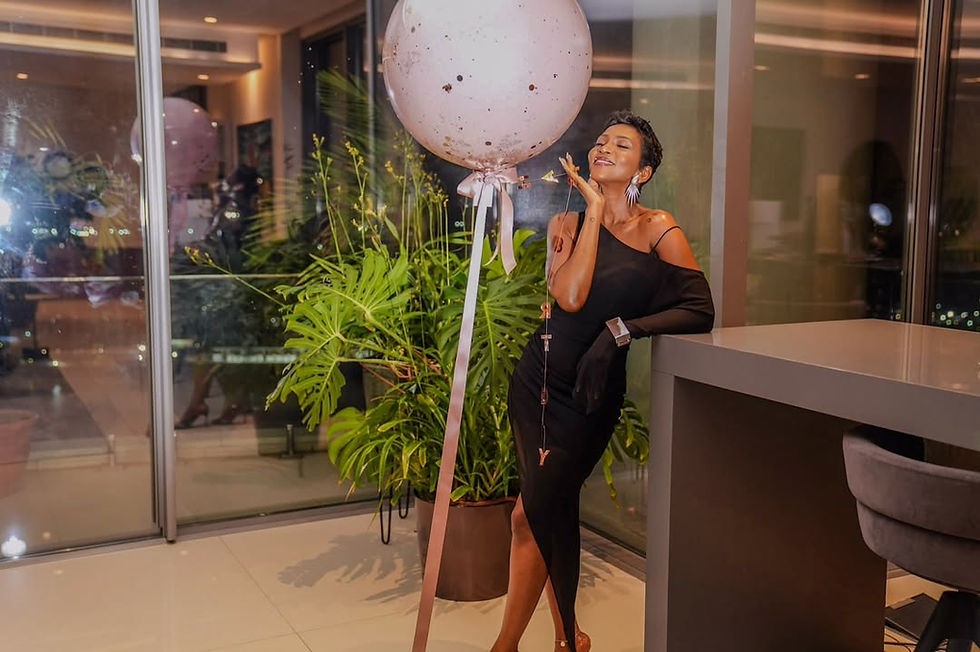
Rising stars like Bimbo Ademoye, Chidi Mokeme, Kehinde Bankole, and Tobi Bakre are gaining recognition beyond African audiences for their work in internationally streamed dramas.
Meanwhile, diaspora talents like John Boyega, Thuso Mbedu, and Michaela Coel are bridging continents, bringing African-inspired stories to global platforms with authenticity and nuance.
Behind the Scenes: The Producers and Platforms
Production companies across Africa are also gaining global attention. EbonyLife Studios, FilmOne Entertainment, and MultiChoice have all struck major international partnerships.
These deals aren’t just symbolic; they fund bigger budgets, better scripts, and more refined production quality—an investment into the long-term growth of African media.
Netflix has opened local offices and partnered with African storytellers in Kenya, South Africa, and Nigeria. Amazon Prime Video is also entering the scene, offering African producers a growing number of options to tell their stories their way.
Challenges on the Global Stage
Despite the momentum, challenges remain. Infrastructure gaps, limited funding, and piracy continue to plague the industry. There’s also the danger of cultural dilution, where global success leads to stories being tailored to Western tastes.
However, many creatives are pushing back against this trend, demanding that global platforms respect and preserve the integrity of their stories.
What’s Next for African Creatives?
The future is undeniably bright. With the international audience now tuned in, African creatives have a rare opportunity to redefine global narratives—on their terms. Film schools are on the rise, cross-border collaborations are increasing, and a new wave of youth-led digital storytelling is beginning to shape the next chapter.
From short films on YouTube to feature-length originals on Netflix, African storytelling is entering a golden age. And this time, the world is watching.
From short films on YouTube to feature-length originals on Netflix, African storytelling is entering a golden age. And this time, the world is watching. Stay with FTN as we follow where the story goes next.


Comments