
Uganda's Media Freedom Crisis: Muhoozi Orders NTV, Monitor Shutdown


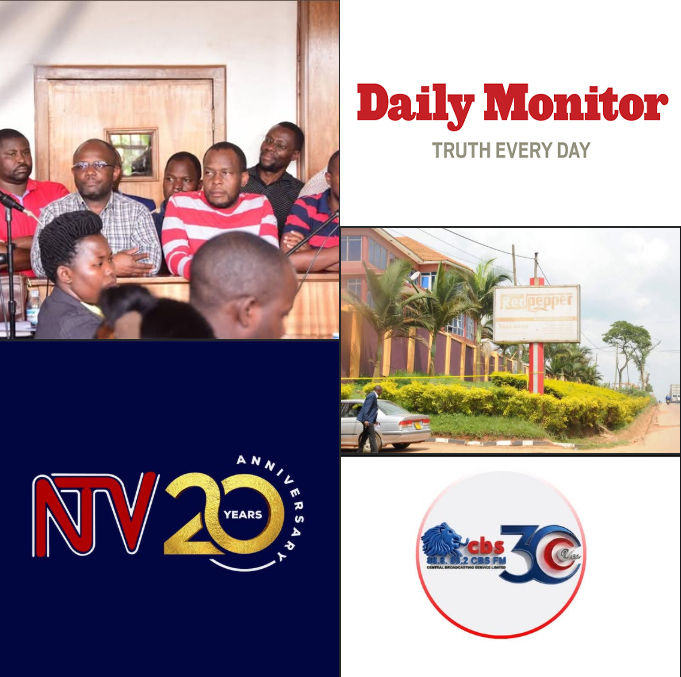
Uganda's media freedom has come under renewed scrutiny after security forces surrounded the premises of Nation Media Group, the publisher of Daily Monitor and the operator of NTV Uganda, following Gen. Muhoozi Kainerugaba's announcement that the two media outlets would be shut down.
The development has triggered widespread concern among journalists, media observers, and civil society actors over the relationship between state power, security institutions, and independent journalism in Uganda.
The situation escalated after Gen. Muhoozi, the Chief of Defence Forces of the Uganda People’s Defence Forces (UPDF), publicly announced that NTV Uganda and the Daily Monitor would be closed. The announcement was followed by reports of a security presence at the media group’s premises, with employees receiving internal communication advising them to stay away from the offices.
An internal message circulated among Daily Monitor staff described an ongoing siege at the workplace and advised employees not to report to the premises. The message also instructed staff members to avoid coverage until receiving approval from their respective department leads.

FTN has not independently verified the full circumstances surrounding the internal communication, but the message adds to growing concerns about the operating environment for independent media in Uganda.
Security Presence Raises Press Freedom Concerns
The presence of security personnel at media premises has intensified debate over Uganda’s media environment and the limits of state authority over independent news organisations.
For journalists, the incident represents more than a dispute involving two media brands. It raises broader questions about the ability of news organisations to operate freely, report independently, and hold powerful institutions accountable.
Daily Monitor and NTV Uganda are among the country’s most recognised media platforms, with decades of reporting on politics, governance, business, and public affairs. Their operations have historically placed them at the centre of Uganda’s national conversations.
The reported security action comes at a time when media freedom remains a major topic of discussion across Uganda and the wider East African region, where journalists and news organisations have frequently faced challenges ranging from regulatory pressure to restrictions on coverage.
Muhoozi’s Announcement and the Shutdown Directive
The controversy began after Gen. Muhoozi Kainerugaba announced that NTV Uganda and Daily Monitor would be shut down.
The announcement immediately attracted attention because of his position as the country’s military chief and the military's constitutional role in national security matters.
While political leaders and public officials have previously criticised media organisations for their reporting, a direct call to close major media houses represents a significant escalation in the debate over the relationship between government authority and press independence.
The events that followed the announcement have raised questions about whether the action represents a temporary security measure, a regulatory dispute, or a wider confrontation between state institutions and independent media.
Uganda’s Long History of Media Pressure
The latest development comes against the background of a long-running debate over press freedom in Uganda.
Over the years, journalists and media organisations have reported incidents involving arrests, equipment confiscations, broadcast interruptions, and restrictions during politically sensitive periods.
Government authorities have often argued that such measures are necessary to maintain public order, national security, and compliance with legal requirements. Media organisations and press freedom advocates, however, have repeatedly warned that excessive restrictions can weaken democratic accountability.
The tension reflects a wider global challenge facing governments and media organisations: balancing legitimate security concerns with the public’s right to information.
Why Media Freedom Matters Beyond Newsrooms
The debate surrounding NTV Uganda and Daily Monitor extends beyond the immediate impact on journalists working at the two organisations.
Independent media plays a central role in documenting events, questioning decisions made by those in power, and providing citizens with information needed to participate in public life.

When major media institutions face uncertainty, the consequences can extend beyond individual newsrooms. Public confidence in institutions, transparency in governance, and citizens' ability to access diverse viewpoints are all affected.
For businesses, investors, and international observers, media freedom is also often viewed as an indicator of institutional stability and the strength of governance systems.
Growing Attention on Uganda’s Media Landscape
The developments involving Nation Media Group are likely to attract further attention from media organisations, press freedom groups, and international observers monitoring Uganda’s political and institutional environment.
The immediate focus remains on what happens next: whether the security presence at the premises will continue, whether the media outlets will resume normal operations, and whether authorities will provide further clarification.
For journalists and media professionals, the situation represents another critical moment in the ongoing discussion about the role of independent reporting in Uganda.
A Defining Moment for Uganda Media Freedom
The events surrounding NTV Uganda and Daily Monitor place Uganda's media freedom at another critical crossroads.
The outcome will depend on how state institutions, security authorities, and media organisations respond in the coming days. Beyond the immediate confrontation, the episode raises deeper questions about the future relationship between power and accountability in Uganda.
For now, two of the country’s most influential media platforms remain at the centre of a national debate over the boundaries between security, authority, and the public’s right to information.
This is a developing story. FTN continues to monitor events surrounding the reported security operation at Nation Media Group premises, the status of NTV Uganda and Daily Monitor, and responses from relevant authorities and stakeholders.
To be continued...

Comments