
Unlocking the Magic of East African Tourism: A Timeless Adventure

Updated: Aug 17, 2025

East African tourism captivates the soul like few other destinations on the planet. Imagine waking to the roar of lions echoing across the Serengeti plains or sharing stories around a fire with Maasai warriors under a starlit sky.
This is the essence of East African tourism—a blend of raw adventure, profound cultural depth, and natural wonders that have drawn explorers for centuries.
As global travel rebounds, East African tourism stands out as a beacon of resilience and growth, with international arrivals surging to 8.5 million in 2024, surpassing pre-pandemic levels of 7.7 million in 2019.
This article explores the multifaceted world of East African tourism, offering insights into its history, attractions, and future while providing practical tips for travellers seeking authentic experiences.
The Historical Roots of East African Tourism
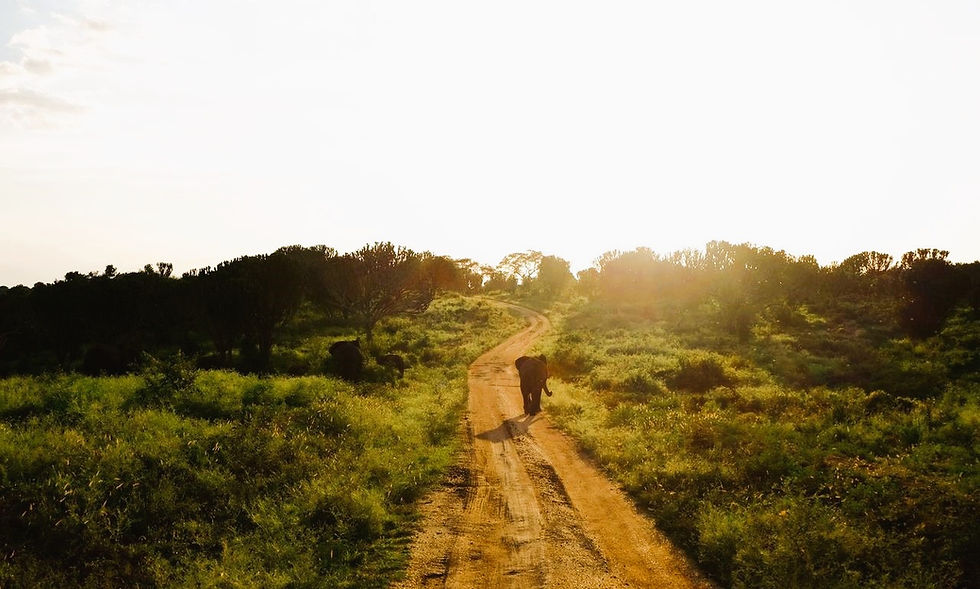
East African tourism didn't emerge overnight; its foundations trace back to the 19th century when European explorers like David Livingstone and Henry Morton Stanley ventured into the region, documenting its vast landscapes and wildlife.
During the colonial era, particularly under British rule in Kenya and Tanzania, tourism revolved around big-game hunting safaris. Wealthy adventurers from Europe and America flocked to the savannas, lured by tales of elephants and rhinos.
This period, spanning 1900 to 1939, saw the birth of the organised safari industry in the British East Africa Protectorate (modern-day Kenya), where outfitters provided tents, guides, and porters for multi-week expeditions.
Post-World War II marked a pivotal shift. As independence movements swept across Africa in the 1950s and 1960s, countries like Kenya (independent in 1963) and Tanzania (1961) reoriented tourism toward conservation and viewing rather than hunting.
National parks such as Kenya's Nairobi National Park (established in 1946) and Tanzania's Serengeti (1951) became focal points. Coastal areas gained prominence too, with Zanzibar's beaches attracting sun-seekers.
By the 1970s, East African tourism had evolved into a key economic driver, though political instability in Uganda under Idi Amin temporarily hindered growth there.

Expert voices underscore this transformation. Dr John Reader, a renowned anthropologist and author of "Africa: A Biography of the Continent", notes, "The safari in East Africa transitioned from exploitation to appreciation, mirroring broader shifts in global environmental consciousness."
This historical context enriches modern East African tourism, reminding visitors that today's eco-lodges and wildlife reserves stand on the legacy of exploration and adaptation.
Top Destinations Shaping East African Tourism
East African tourism thrives across a diverse region encompassing Kenya, Tanzania, Uganda, Rwanda, Burundi and South Sudan. Each offers unique draws, contributing to the sector's robust growth.
In 2023, leisure travel accounted for 53.7% of international arrivals, totalling 6.42 million visitors.
Tanzania leads with tourism generating $4 billion in revenue in 2024, up from $3.4 billion in 2023, fuelled by icons like Mount Kilimanjaro and the Ngorongoro Crater.
Kenya's Maasai Mara National Reserve hosts the Great Migration, where over two million wildebeest cross the Mara River annually—a spectacle that draws 300,000 visitors yearly.
Uganda, often dubbed the "Pearl of Africa", plays a vital role in East African tourism through its primate-focused adventures and diverse landscapes.
In 2024, Uganda welcomed 1.37 million international visitors, generating $1.28 billion in revenue and recovering to 89.2% of pre-pandemic levels.
By mid-2025, the sector will have continued its upward trajectory, with earnings reaching approximately $1.57 billion (Shs 5.8 trillion), a 13.1% increase from the previous year, driven by strategic marketing and diversified offerings.

Standout examples include gorilla trekking in Bwindi Impenetrable National Park, home to over half of the world's remaining mountain gorillas, where permits generate significant conservation funds.
Other highlights are chimpanzee tracking in Kibale National Park, white-water rafting on the Nile River in Jinja, and game viewing at Murchison Falls National Park, featuring dramatic waterfalls and boat safaris.
Rwanda complements this with gorilla trekking in Volcanoes National Park, and its post-genocide recovery has positioned it as a model for sustainable tourism, with visitor numbers rising 17% in 2024.
South Sudan’s tourism industry contributed 1.8% to the country’s GDP in 2013 and was projected by the World Travel and Tourism Council to reach 4.1% by 2024, driven by cultural attractions.
Cultural Immersion: The Heart of East African Tourism
Beyond wildlife, East African tourism pulses with cultural vibrancy. The region is home to over 200 ethnic groups, each preserving traditions that enhance visitor experiences.
In Kenya and Tanzania, interactions with the Maasai—known for their red shukas and jumping dances—provide insights into nomadic pastoralism. Visitors can join village walks, learning about beadwork and herbal medicine, fostering authentic connections.
Swahili culture dominates coastal areas, blending African, Arab, and European influences from centuries of trade. Zanzibar's Stone Town, a UNESCO site, showcases this fusion through spice tours and dhow boat rides. Uganda's Batwa pygmies offer forest foraging experiences, highlighting indigenous knowledge.
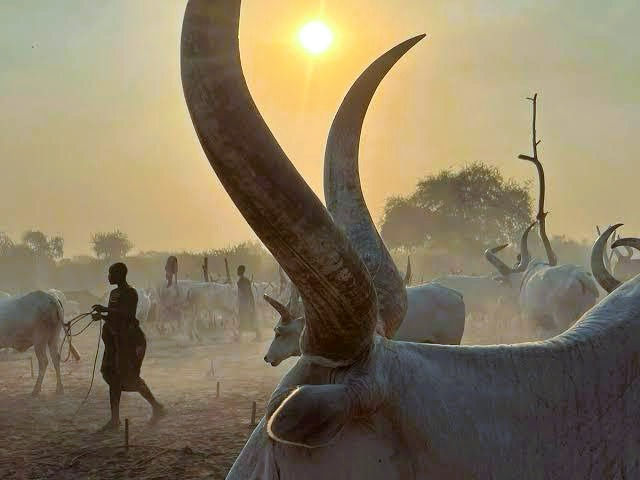
South Sudan’s tourism thrives on its rich cultural heritage, deeply rooted in the cattle-centric traditions of tribes like the Dinka and Mundari.
Near Bor in Jonglei State, Dinka cattle camps offer an immersive glimpse into the pastoral lifestyle of South Sudan’s largest ethnic group. Here, long-horned cattle, revered as symbols of wealth and identity, are central to daily rituals, from herding to ceremonial practices, captivating visitors with authentic cultural encounters.
Similarly, Mundari cattle camps near Juba and Terekeka showcase the iconic Ankole-Watusi cattle, known for their massive horns. These camps provide immersive experiences, highlighting the tribe’s sustainable practices and deep bond with their livestock.
In Juba, the vibrant cattle market offers an accessible window into this dynamic tradition, where the trade of majestic bulls reflects South Sudan’s cultural heartbeat.
Cultural tourism emphasises respect and sustainability. As Dr Gladys Kalema-Zikusoka, a Ugandan veterinarian and founder of Conservation Through Public Health, states, "Tourism in East Africa must empower communities; when locals benefit, conservation thrives." This approach has led to community-owned lodges, where revenue supports education and healthcare.
Regional comparisons reveal East Africa's edge in cultural depth. While West Africa's tourism often centres on historical sites like Senegal's Goree Island (linked to the slave trade), East African tourism integrates living cultures seamlessly with nature.
Southern Africa, such as South Africa's apartheid-era museums, offers urban cultural narratives but lacks the tribal immersion found here.
Wildlife and Safaris: Icons of East African Tourism
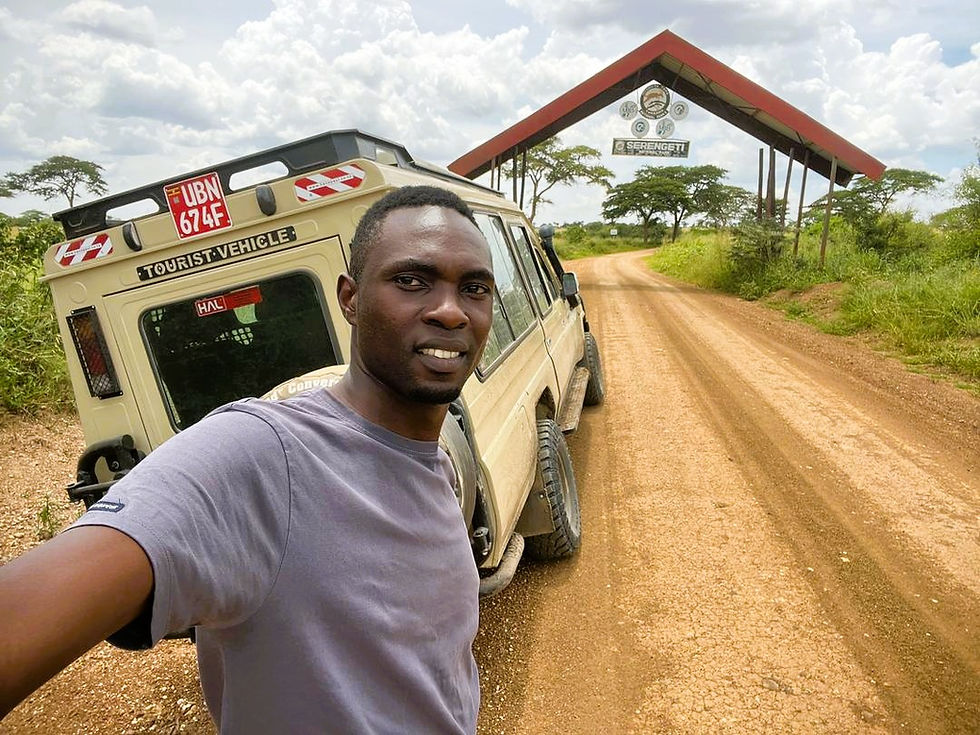
No discussion of East African tourism is complete without safaris. The "Big Five"—lion, elephant, buffalo, leopard, and rhino—roam freely in reserves like the Serengeti, which spans 14,763 square kilometres and hosts 1.5 million visitors annually.
Kenya's Amboseli National Park offers elephant sightings against Kilimanjaro's backdrop, while Uganda and Rwanda's mountain gorillas, numbering around 1,000, generate $20 million yearly from permits in Rwanda alone, with Uganda contributing similarly through Bwindi's gorilla families.
In Uganda, wildlife tourism extends beyond primates; Queen Elizabeth National Park is renowned for tree-climbing lions and diverse birdlife, with over 600 species recorded, while Lake Mburo provides walking safaris amid zebras and impalas.
Data highlights the economic impact: tourism contributes 4.5% to Eastern Africa's GDP, higher than Southern Africa's 3%. Globally, Africa's tourism revenues hit $1.6 trillion in 2024, with East Africa driving much of the continent's 20% arrival growth in Q1.
Experts like Sir David Attenborough have long championed the region: "East Africa affects our imagination like few other places: the sight of a charging rhino goes directly to the heart." Sustainable practices, such as anti-poaching patrols funded by tourism fees, ensure these wonders endure.
Regional Comparisons: How East African Tourism Stands Out

Compared to other African regions, East African tourism excels in biodiversity and accessibility. Sub-Saharan Africa scores lowest on the Travel & Tourism Development Index (TTDI) at 3.33, yet Africa improved most post-pandemic.
South Africa tops the continent with high TTDI scores, thanks to infrastructure like Cape Town's Table Mountain, but its wildlife experiences pale against East Africa's migrations.
North Africa's pyramids and beaches draw history buffs but lack the adventure of East African safaris.
West Africa, with ecotourism in Ghana's rainforests, sees fewer arrivals due to infrastructure challenges. East Africa's EAC integration, including the "Visit East Africa: Feel the Vibe" campaign, boosts cross-border travel, setting it apart.
Challenges and Future Prospects in East African Tourism
Despite successes, East African tourism faces hurdles like climate change, poaching, and overtourism. Rising sea levels threaten Zanzibar's coasts, while human-wildlife conflicts persist.
However, initiatives like Rwanda's revenue-sharing model, where 10% of park fees go to communities, offer solutions.
Looking ahead, experts predict continued growth. The World Travel & Tourism Council forecasts a 7.31% annual rise in Africa's tourism market to $25.29 billion by 2025. Digital platforms will enhance accessibility, with apps for virtual tours complementing in-person visits.
Embracing the Future of East African Tourism
East African tourism is more than a vacation—it's a journey into humanity's cradle, where history, culture, and nature intertwine.
As Ernest Hemingway reflected, "I never knew of a morning in Africa when I woke up that I was not happy." Whether trekking with gorillas or exploring Swahili markets, the region promises transformation.
For the latest travel destination insights and resources to plan your East African adventure, contact us for a comprehensive guide on East African tourism and safaris.


Comments