
UPDF Set to Deploy in Gaza as Museveni Approves Mission

Updated: Jul 16

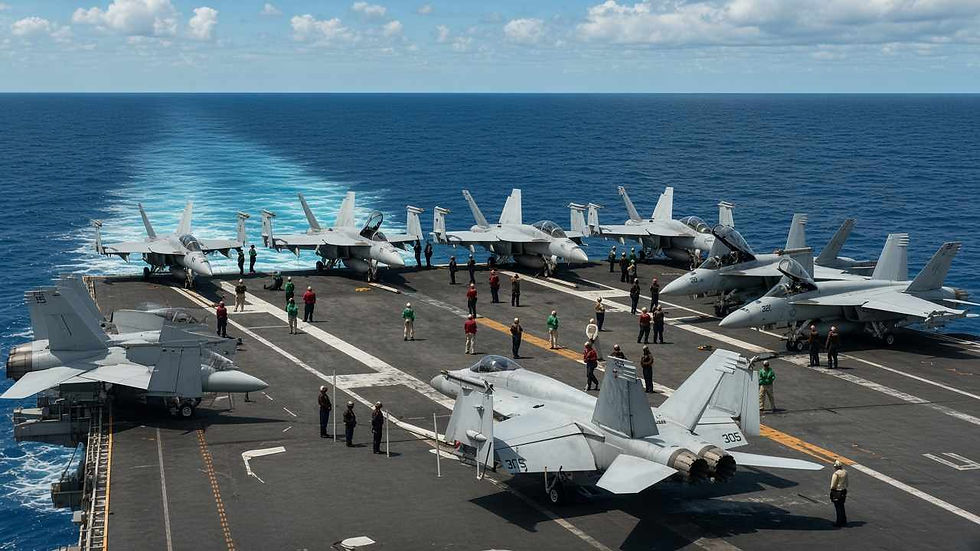
Kampala, Uganda – The Uganda People’s Defence Force (UPDF) is set to deploy in Gaza as Uganda joins an international peace stabilisation mission aimed at supporting efforts to restore security and stability in the war-affected region.
The planned deployment follows approval by President Yoweri Kaguta Museveni, with Ugandan forces expected to participate alongside other international partners in a broader framework focused on peacebuilding, humanitarian support, and post-conflict recovery.
According to the New Vision, the deployment follows a formal request from international partners. Uganda will join four other nations — Morocco, Kosovo, Albania, and Kazakhstan — in what is described as a coalition focused on humanitarian support, ceasefire monitoring, and post-conflict stabilisation in Gaza.
The move comes with strong backing for former U.S. President Donald Trump’s initiatives to address the ongoing crisis. Trump has publicly called for an end to the violence, and sources indicate Uganda’s participation aligns with broader efforts to bring lasting peace to the area.

The UPDF brings extensive experience to the mission. The force has a proven track record in regional and international peacekeeping operations, including the following:
Long-term deployments in Somalia under the African Union Transition Mission in Somalia (ATMIS), where Ugandan troops have played a key role in combating Al-Shabaab.
Operations in South Sudan, supporting stability efforts amid civil conflict.
Contributions to missions in the Democratic Republic of Congo (DRC) and other hotspots.
The newspaper highlighted the UPDF’s professionalism, medical support capabilities, and engineering expertise, noting that Ugandan forces often carry out civic action programmes alongside military duties.
Recent training activities, including the passing-out ceremony for the 18th Intake at the Basic Military Training School in Kakiri, demonstrate the force’s readiness for such high-stakes deployments.
Uganda’s decision reflects its growing role as a reliable contributor to global peace and security initiatives.
President Museveni’s government has reportedly weighed the request carefully, considering both the humanitarian needs in Gaza and Uganda’s national interests in fostering international cooperation.

In related comments, the article referenced Trump’s statements on the need for a comprehensive resolution to the Israeli-Palestinian conflict, including reconstruction and long-term political solutions. Uganda’s involvement is framed as support for these stabilisation goals rather than direct combat operations.
Details on the exact size of the UPDF contingent, timeline for deployment, and specific rules of engagement remain under discussion. However, sources close to the matter suggest preparations are already underway, building on lessons from previous missions.
This potential deployment underscores Uganda’s emergence as a key player in African and global peacekeeping, extending its influence beyond the African continent to one of the world’s most complex conflict zones. Further updates are expected as diplomatic and logistical arrangements progress.
UPDF Set to Deploy in Gaza: Why Stability Still Matters in a Fragmenting World
While Washington, Tel Aviv and Tehran continue balancing diplomacy against military pressure, another lesson has emerged from the crisis, one that extends well beyond the Middle East.
Modern conflicts are increasingly demonstrating that military strength alone cannot guarantee national resilience. States also require political continuity, functioning institutions, public confidence and the ability to maintain stability during periods of extraordinary pressure.
That lesson resonates strongly across Africa.
Uganda's recent decision to approve the deployment of the Uganda People's Defence Force (UPDF) to Gaza illustrates how countries far from the Persian Gulf are becoming participants in an increasingly interconnected security environment.
Rather than joining offensive combat operations, Uganda is expected to contribute to ceasefire monitoring, humanitarian assistance and post-conflict stabilisation alongside international partners including Morocco, Kosovo, Albania and Kazakhstan.
As the UPDF prepares to deploy in Gaza, the mission reflects Uganda's growing reputation as a dependable contributor to international peacekeeping, building upon decades of operational experience in Somalia, South Sudan, the Democratic Republic of Congo and other regional theatres. The deployment is also recognition that today's conflicts demand more than battlefield victories. They require institutions capable of rebuilding trust, restoring governance and supporting long-term stability.
That philosophy closely aligns with another theme explored by FTN in Why Stability Still Matters: Museveni's 2026 Swearing-In and Uganda's Next Chapter. In an era characterised by geopolitical fragmentation, resilient institutions have become strategic assets.

Political continuity may not eliminate conflict, but it provides governments with the capacity to respond consistently to regional crises, attract investment and maintain public confidence during periods of uncertainty.
The contrast with the Middle East is striking.
Iran is now navigating its first major leadership transition in more than three decades while simultaneously confronting renewed military pressure, ongoing negotiations and mounting economic challenges. The question facing Tehran is no longer simply how to respond to American strikes. It is a question of whether the Islamic Republic can preserve the institutional resilience that enabled it to survive the recent 40-day war despite unprecedented external pressure.
Governments across the Gulf are asking similar questions.
Saudi Arabia, the United Arab Emirates, Qatar and Oman have spent years investing in economic diversification, regional diplomacy and domestic resilience because they understand that long-term prosperity depends as much on political stability and investor confidence as it does on military strength.
Every escalation in the Middle East, therefore, reinforces the importance of stable governance, functioning institutions, and credible diplomatic engagement.
For Uganda, participation in Gaza's stabilisation effort reflects that same understanding.
Peace is no longer viewed merely as the absence of war.
It has become an essential component of economic resilience, regional influence and international credibility.
From the streets of Gaza to the Strait of Hormuz and the political transitions unfolding in Tehran, one lesson increasingly connects seemingly distant crises: In a fragmented world, stability itself has become one of the most valuable strategic resources a nation can possess.
About the Author

Tinka C. Muhwezi is the Editor of Frontier Tech Network (FTN), where he specialises in geopolitics, technology, energy security, global trade and the emerging forces reshaping international affairs. With more than 25 years of experience in journalism, broadcasting, digital media and strategic communications, he examines how conflicts, artificial intelligence, critical resources and economic systems influence the future balance of global power.
His work goes beyond breaking news to provide long-form analysis that connects events across regions, helping readers understand not only what is happening, but why it matters.
Read more of FTN's in-depth analysis on the Iran crisis, the Strait of Hormuz, global trade, artificial intelligence and the changing world order at FTNTV.com.

https://hi88.soccer/ hôm trước thấy bạn bè nói qua nên mình bấm vào xem thử cho biết thôi. Mình cũng không đọc kỹ hay làm gì nhiều, chủ yếu xem giao diện họ bố trí ra sao. Ấn tượng đầu là trang nhìn khá sáng sủa, khoảng trống vừa đủ nên không bị ngộp mắt. Cái mình thích là menu để chuyển mục đặt khá dễ thấy, bấm vài cái là hiểu mình đang ở phần nào chứ không phải mò lâu. Kéo xuống cũng không bị rối vì các nội dung được chia thành từng khối riêng, nhìn lướt là phân biệt được ngay. Nói chung kiểu sắp xếp theo cột gọn gàng nên đọc nhanh khá ổn, nhất là…
fly88 có dễ dùng không? Mình thử mở ra cho biết thôi mà thấy ổn ngay, kiểu mọi thứ đặt đúng chỗ nên nhìn một lượt là hiểu mình đang ở mục nào, chuyển qua lại cũng nhanh, bấm không phải đợi load lâu. Mình để ý phần thông tin tổng quan họ viết thành mấy đoạn ngắn, đọc lướt vẫn nắm được ý chính. Cảm giác trang ưu tiên cho người vào xem nhanh hơn là bắt đọc dài. Màu sắc thì vừa mắt. Chữ dễ đọc. Menu nhìn cái là thấy. Cuộn xuống cũng không rối. Nói chung dùng vài phút là quen. Thích nhất là cách họ chia nội dung thành từng khối rõ tiêu đề ngay…
https://rr88k1.com/ mình ghé thử vì thấy bạn bè nhắc qua, chủ yếu tò mò xem giao diện ra sao thôi. Vào cái là thấy trang sắp xếp khá thoáng, nhìn không bị rối hay “ngợp” như nhiều chỗ khác. Mình để ý cái thanh menu đặt ở vị trí dễ thấy nên chuyển qua lại mấy mục rất nhanh, không phải kéo lên kéo xuống tìm. Mấy phần nội dung cũng được chia thành từng khối riêng nên lướt một vòng là nắm được ý chính, kiểu phù hợp cho ai chỉ muốn xem nhanh bố cục. Nói chung cảm giác dùng ổn, nhất là cách họ chia block nội dung và để menu điều hướng rõ ràng ngay trên…