
AI Deception: Why Media Literacy Is Africa’s Next Survival Skill

Updated: Aug 17, 2025

In 2024, a deepfake video of a Nigerian president resigning spread rapidly online. Businesses halted trading, and social media damaged reputations before the truth emerged: it was AI manipulation. This event ushered in an era where truth is not just doubted but deliberately replaced.
A Deep Dive into Deepfake AI Deception
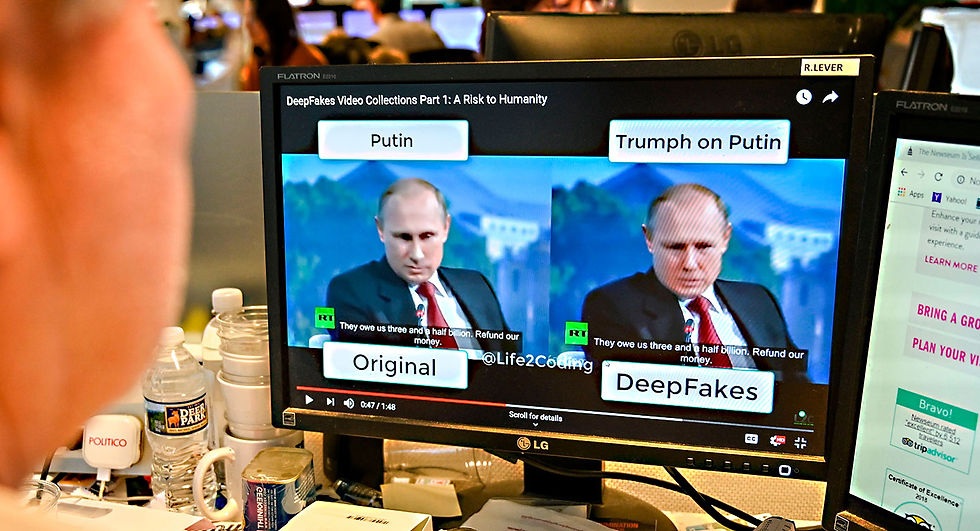
Deepfake creation is exploding. According to Deeptrace Labs, 49,000 deepfake videos existed online by mid-2020, doubling in just six months. Today, that number is far higher. The global deepfake AI market soared from $650 million in 2023 to $820 million in 2024, with a projected rise to $2 billion by 2028.
In 2025, Check Point Research identified a new “Deepfake Maturity Spectrum”. Real-time impersonations, where AI mimics executives or loved ones, have commenced, costing upwards of $35 million in high-profile cases in the UK and Canada.
A chilling Reddit post highlighted how, by 2024, deepfake scams were occurring every five minutes, from single scammers able to craft convincing fakes using just $5 and a smartphone, leading to losses like $25.6 million by one Hong Kong firm.
McAfee reports that 26% of people encountered a deepfake scam in 2024, and 9% were defrauded.
Global fraud losses attributed to deepfake AI soared from $12 billion in 2024 to a projected $40 billion by 2027, according to Wikipedia.
Real-Life AI Deception Misfires and Danger Zones
Nigeria: Manipulated videos featuring Pastor Enoch Adeboye and Seun Okinbaloye pushed fake health products, spurring ARCON’s intervention.
Kenya/Nigeria elections (2025): An altered video with Joe Biden arrived in shared TikTok hoaxes promoting aid suspension, earning 357,000 views before fact-checking intervened.
South Africa (2019): A doctored video claiming Nigerians were attacking locals triggered xenophobic violence.
Taylor Swift (2024): AI-generated pornographic images were viewed 47 million times before removal, sparking calls for stronger legislation.
South Korea (2024): Teenagers were targeted in non-consensual deepfake sexual content, leading to a national protest and new anti-deepfake laws.
Corporate fraud: A Hong Kong executive lost $25 million after a deepfake impersonation of his CFO on a video call.
The Trust Spiral: Falling Confidence in Media
Surveys reveal only 40% of global audiences trust mainstream news media, the lowest point in a decade. In Africa, public health campaigns frequently collapse in the face of viral misinformation and satirical deceptions.
A UK study found that 15% of respondents had seen harmful deepfake AI deception videos, and over 90% feared their effects on media trust, elections, and child protection.
Another study showed that human ability to detect deepfake audio sits around 73%, dropping even further when AI uses subtle cues.
Media Protect: Tools, Training, and Trust
AI tools like Reality Defender, Deepware Scanner, and Truepic are at the forefront of detection. Financial investment in deepfake detection tech is rising, as businesses recognise AI mischief is no longer fringe.
Yet, research like Deepfake-Eval-2024 found that many detection models fail dramatically on real-world content, down by nearly 50% in accuracy on images, audio, and video.
The Case for Media Literacy in Africa
Misinformation isn’t just an inconvenience; it’s an economic and social threat. But education remains the greatest equaliser. Code for Africa, FactCheck Nigeria, and Africa Uncensored are already training journalists and citizens to decode disinformation.
The solution lies in embracing media literacy as a vital survival skill. Governments, schools, and communities must prioritise programmes featuring workshops, step-by-step AI detection guides, rapidly updating threat alerts, and community Q&As to build resilience.
By equipping people with the tools to evaluate content, question sources, and spot manipulation critically, we can reclaim truth and safeguard societies from deepfake AI deception.


Comments